Countertop Guides & Industry Insights
Educational resources to help you make informed decisions about granite, quartz, and natural stone surfaces for your home.
Understanding Natural Stone Quality
What separates exceptional stone fabrication from the rest.
Selecting the right countertop material involves understanding several key factors that affect long-term satisfaction.
Quality fabrication follows industry standards established by the Natural Stone Institute, ensuring proper handling, installation, and safety protocols for granite and natural stone surfaces.
Key Quality Indicators
- Slab thickness and uniformity
- Edge profile precision
- Seam placement and visibility
- Surface finish consistency
- Proper sealing application
Granite vs Quartz: Making the Right Choice
Both materials offer distinct advantages for different applications.
Granite Countertops
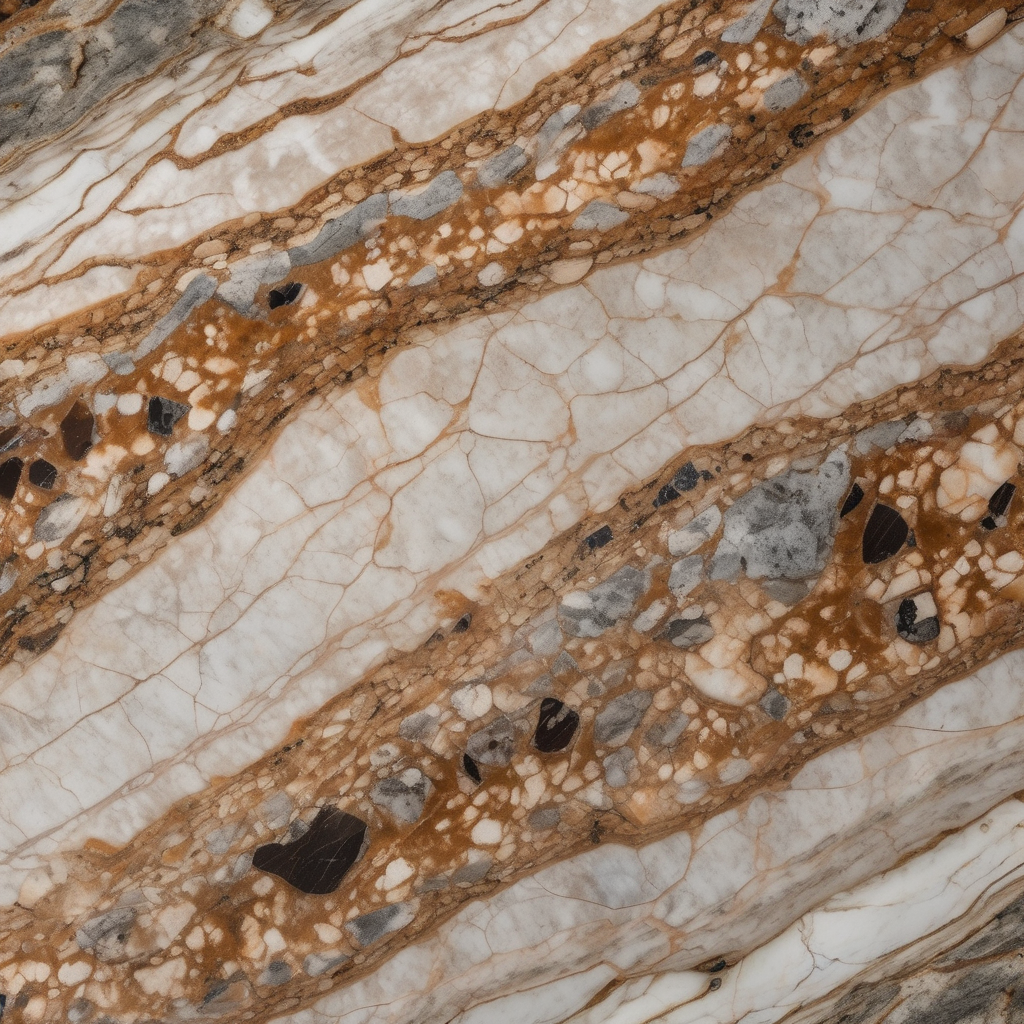
Natural stone with unique patterns that no two slabs can replicate.
Advantages
- Completely natural material
- Superior heat resistance
- One-of-a-kind appearance
- Increases property value
Considerations
- Requires periodic sealing
- Porosity varies by stone type
Quartz Countertops
Engineered surfaces combining natural quartz with advanced polymers.
Advantages
- Non-porous surface
- Consistent patterns available
- No sealing required
- Wide color selection
Considerations
- Less heat resistant than granite
- Not recommended for outdoor use
Independent testing by Consumer Reports demonstrates that quartz countertops excel in stain resistance, durability, and heat tolerance, making them a top choice for busy kitchens.
See Our PortfolioCare & Maintenance Guide
Proper care extends the life and beauty of your countertops.
Daily Cleaning Essentials
- Use pH-neutral cleaners or mild dish soap
- Wipe spills promptly to prevent staining
- Avoid harsh chemicals and abrasive pads
- Use cutting boards to protect the surface
Long-Term Maintenance
- Reseal granite countertops every 1-2 years
- Check for water absorption annually
- Address chips or cracks promptly
- Schedule professional inspections periodically
Finding Qualified Professionals
Working with certified installers protects your investment.
Homeowners seeking certified professionals for kitchen remodeling projects can find qualified designers and installers through the National Kitchen & Bath Association, which maintains rigorous certification standards for the industry.
What to Look For
- Industry certifications and training
- Insurance and licensing verification
- Portfolio of completed projects
- References from previous clients
- Detailed written estimates
- Warranty and guarantee policies